
HGH Levels in Men by Age

Growth hormone levels in men decline predictably with age. Understanding what healthy HGH levels look like at your age is the first step in determining whether your growth hormone is truly low and whether you might benefit from HGH therapy. This guide explains normal growth hormone ranges by age, what happens as you get older, and when testing might be appropriate.

Key Facts About Male HGH Levels
- GH production peaks in your 20s and declines roughly 10-15% per decade after age 30
- By age 60, most men retain only 50-60% of the growth hormone they had at 20
- Doctors measure IGF-1 (not GH directly) because it provides a stable, reliable reading
- Low IGF-1 combined with symptoms is the strongest indicator for HGH therapy
Normal IGF-1 Ranges for Men
Since doctors measure IGF-1 rather than growth hormone directly, understanding normal IGF-1 ranges is key. IGF-1 (insulin-like growth factor 1) reflects your average growth hormone production. Normal ranges are age-adjusted because healthy IGF-1 levels are naturally lower in older men than in younger men.
What is IGF-1? IGF-1 is the hormone produced by your liver in response to growth hormone. It’s responsible for most of the physical effects associated with GH—muscle growth, fat loss, bone strength, skin quality. When you have low growth hormone, your IGF-1 is also low. When you receive HGH therapy, your IGF-1 rises.
Why measure IGF-1 instead of GH directly? Growth hormone fluctuates throughout the day, making a single measurement unreliable. IGF-1 is stable, reflecting your average GH production over weeks. This makes IGF-1 a much more accurate marker of your true growth hormone status.
HGH Levels by Age: Chart
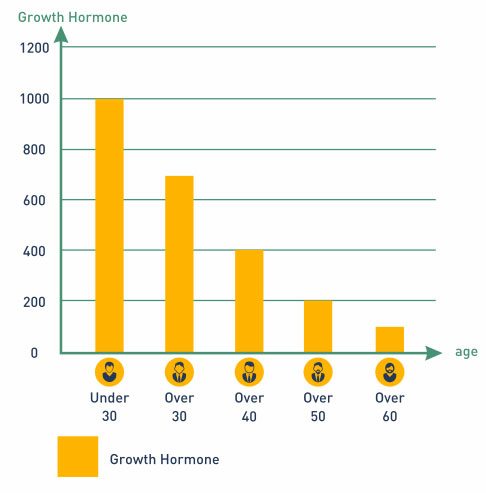
| Age Range | Normal IGF-1 (ng/mL) | GH Status |
|---|---|---|
| 20–30 years | 200–500 | Peak production |
| 30–40 years | 150–450 | Gradual decline begins |
| 40–50 years | 100–350 | Modest continued decline |
| 50–60 years | 80–250 | Noticeable GH decline |
| 60+ years | 50–200 | Substantially lower than younger men |
Your lab report will show the specific normal range for your age when you get tested. Compare your actual IGF-1 number to the range provided—this tells you whether your growth hormone is normal, low, or high for your age.
What’s Considered Low?
IGF-1 below the normal range for your age is considered low. However, “low” doesn’t automatically mean you have a medical condition—it could simply be where your body naturally sits within the normal range.
Low-normal IGF-1: At the lower end of normal for your age but within range. Growth hormone is technically normal, though on the lower side. You may or may not benefit from therapy.
Below-normal IGF-1: Below the normal range for your age. Growth hormone is officially low — the clearest indication that HGH therapy might help.
Clinical significance: Your doctor considers both your IGF-1 number and your symptoms. Low IGF-1 combined with classic symptoms makes a stronger case for treatment than low IGF-1 alone.
Why HGH Declines with Age
Every man experiences declining growth hormone as he ages—this is a natural and universal part of aging. Here’s why it happens:
- Pituitary gland changes: Your pituitary gland becomes less responsive with age. It produces less growth hormone-releasing hormone (GHRH), and the pituitary itself becomes less efficient at producing and releasing GH in response to that signal.
- Reduced sleep quality: Growth hormone is released mainly during deep sleep. As men age, sleep quality often declines—you get less deep sleep and more light sleep. This naturally reduces GH production.
- Hormonal interactions: Changes in other hormones (testosterone, thyroid hormones) with age affect GH production. These hormonal shifts interact in complex ways.
- Lifestyle factors: Exercise, stress, nutrition, and sleep all influence GH production. Many of these naturally change as men age, which can further reduce GH levels.
- Cellular aging: At a cellular level, the ability to produce hormones declines with age. This is part of normal aging throughout your body.
This decline is universal, which is why HGH levels by age are so predictable. Some men have higher GH for their age (naturally), and some have lower, but the overall trend is downward.
Signs Your HGH May Be Low
Not everyone with low IGF-1 has symptoms, but many do. Common signs include increased belly fat, loss of muscle mass, thin or aging skin, chronic fatigue, poor sleep quality, reduced sexual function, brain fog, and difficulty losing weight. If you’re experiencing several of these symptoms and you’re over 40, low growth hormone might be a factor. Testing is the only way to know for sure.
For a comprehensive breakdown of symptoms by age group and body system, see our guide on symptoms of low HGH.
When to Get Tested
Consider HGH testing if you’re experiencing symptoms of low growth hormone and you’re in the age range where GH decline is common (typically 40+). Testing is particularly appropriate if you have:
- Multiple symptoms of low GH (fatigue, weight gain, muscle loss, sexual dysfunction, poor sleep).
- Tried addressing these issues through diet and exercise without success.
- A history of pituitary disease, head trauma, or other conditions that can reduce growth hormone.
- A strong family history of early aging or age-related health issues.
- Health goals focused on maintaining strength, energy, and physical function as you age.
Testing is simple (a single blood draw), safe, and gives you concrete information about your growth hormone status. If your IGF-1 is low and you’re symptomatic, HGH therapy is a viable option. If your growth hormone is normal, your doctor can help determine what’s actually causing your symptoms and suggest appropriate alternatives.
FAQs
What is a normal IGF-1 level for a 50-year-old man?
For a 50-year-old man, normal IGF-1 typically ranges from 80-250 ng/mL, though the exact range may vary slightly by lab. Some sources give slightly different ranges. Your lab report will specify the normal range they use. If your IGF-1 is above 250, your growth hormone is normal for your age. If it’s below 80, your growth hormone is low for your age. Your doctor compares your specific result to the range provided and your symptoms to determine if HGH therapy is appropriate.
How much does HGH decline per decade?
Growth hormone doesn’t decline at a fixed rate—the decline accelerates somewhat with age, but roughly you can expect a 10-15% decline per decade after age 30. This means by age 60, many men have only 50-60% of the growth hormone they had in their 20s. Some men decline faster, others slower, depending on genetics, lifestyle, and health. Your individual rate of decline matters less than your current IGF-1 level and whether you have symptoms.
Can exercise raise HGH levels naturally?
Yes, exercise—especially intense exercise and resistance training—does stimulate growth hormone release. Regular exercise and maintaining good fitness can help preserve higher natural GH levels as you age. However, exercise has limits. If your pituitary isn’t producing much GH due to aging or disease, exercise alone won’t bring levels up to therapeutic ranges. This is why some men benefit from HGH therapy even though they exercise regularly—their body simply doesn’t produce enough GH anymore.
Is IGF-1 the same as HGH?
No, IGF-1 and HGH are different hormones, but they’re closely related. Growth hormone is produced by your pituitary gland and released into your bloodstream. It travels to your liver and other tissues, where it triggers the production of IGF-1. IGF-1 is then released and does most of the actual work—building muscle, burning fat, strengthening bone, improving skin quality, etc. When you have low growth hormone, your IGF-1 is also low. When you receive HGH therapy, your IGF-1 rises. Doctors measure IGF-1 rather than HGH directly because it’s more stable and reliable for diagnosis.
Medical Disclaimer: The information on this page is for educational purposes only and is not intended as medical advice, diagnosis, or treatment. Always consult a qualified healthcare provider before starting, stopping, or changing any hormone therapy or medication. Individual results vary, and treatment decisions should be made between you and your doctor based on your specific medical history and needs.
 National HRT Staff
Please note that the information provided in this article is for informational purposes only and is not intended as a substitute for professional medical advice, diagnosis, or treatment. Always seek the advice of your physician or other qualified healthcare provider with any questions you may have regarding a medical condition or treatment.