
HGH Therapy Results: What to Expect

One of the most common questions people have before starting HGH therapy is: “When will I see results?” The answer depends on many factors—your current GH level, your dose, your age, your lifestyle, and individual metabolism. But there are clear patterns in how HGH therapy works over time. This guide walks you through the typical timeline of results you can expect from growth hormone replacement therapy.
How Long Does HGH Therapy Take to Work?
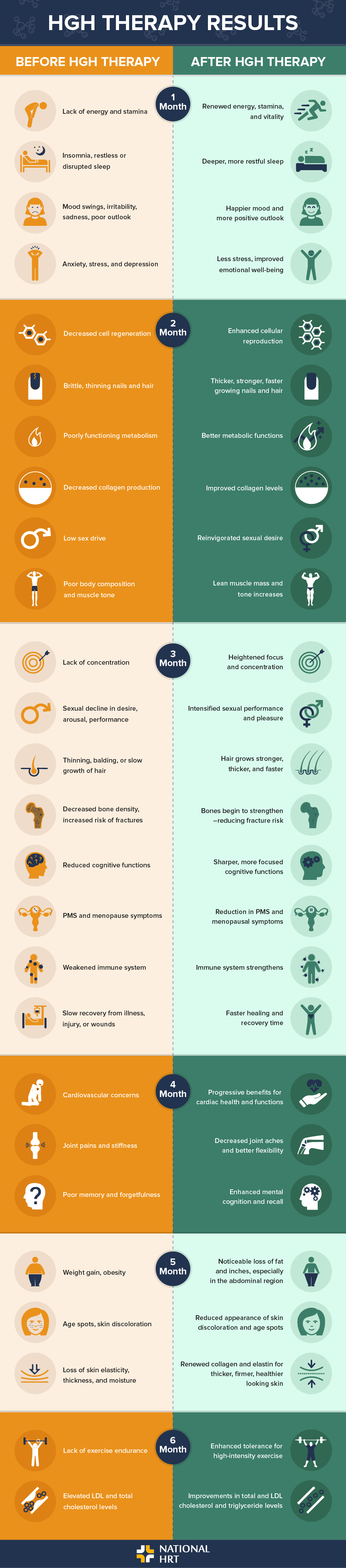
HGH doesn’t produce overnight results. Growth hormone works by stimulating your body’s cells to rebuild and renew themselves. This cellular-level work takes time. However, many people notice some improvements within 4-6 weeks, with more significant changes visible by 3-6 months. Full results typically require 6-12 months of consistent therapy.
The timeline depends on:
- Your starting point: People with very low growth hormone often see faster, more dramatic results than those starting with low-normal levels.
- Your dose: Appropriate dosing (determined by your IGF-1 levels) affects speed of results. Dosing that’s too low produces minimal results; optimal dosing produces the best timeline.
- Your age: Younger people sometimes see faster results, though older people often see more dramatic improvements simply because they had more decline to reverse.
- Your lifestyle: Exercise, sleep quality, nutrition, and stress all affect HGH results. Someone who exercises regularly and sleeps well will see better results faster than someone sedentary with poor sleep.
- Your consistency: Missing doses or inconsistent injection schedule slows results. Daily consistent therapy produces the best timeline.
- Your metabolism: Individual variation in how your body responds means some people see faster results than others, even at the same dose.
Month 1-2: Early Changes
In the first 1-2 months of HGH therapy, changes are often subtle but meaningful:
- Sleep improvements: Many people notice better sleep quality within the first few weeks. You fall asleep more easily, sleep more deeply, and wake feeling more refreshed. This is one of the earliest and most universally noticed improvements.
- Energy boost: As sleep improves, energy typically increases. People often report feeling less fatigued and having more energy throughout the day. You might find it easier to exercise or stay active.
- Mood improvement: Many people notice improved mood, reduced brain fog, better focus, and improved motivation starting in weeks 2-4. Some experience noticeable mood lift as early as week 1.
- Fluid retention: Some people experience mild fluid retention and swelling in hands, feet, or face in the first few weeks. This usually subsides as your body adjusts to the new hormone level. Your doctor may adjust your dose if this persists.
- Joint/muscle aches: Some people experience mild joint or muscle aches early in therapy. This typically resolves within a few weeks as your body adjusts.
- Minimal visible changes: Visible physical changes (body composition, skin quality) are usually minimal at 1-2 months. These take longer to develop.
- First month blood work: Your doctor will check your IGF-1 level to see if your current dose is appropriate and adjust if needed.
Month 3-4: Noticeable Differences
By months 3-4, most people notice meaningful changes:
- Energy sustained and improved: The energy improvements from month 1-2 are sustained and usually more pronounced. You have noticeably more energy for exercise and daily activities.
- Sleep quality excellent: Sleep continues to improve. Most people report sleeping deeply, waking refreshed, and needing less sleep while feeling more rested.
- Mood and mental clarity: Brain fog is largely gone. Concentration, memory, and mood are noticeably better. Motivation and enthusiasm have returned for many people.
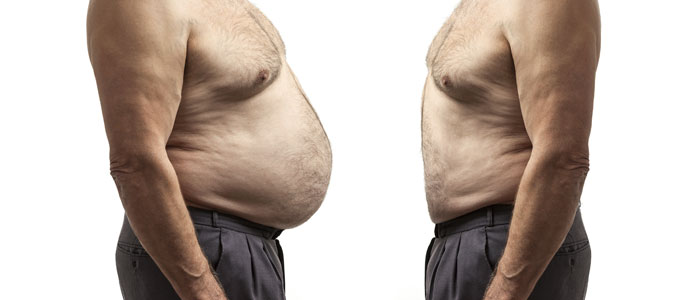
- Body composition changes beginning: By month 3-4, you may begin noticing changes in how your body looks. Clothes might fit differently. Muscle tone might be more visible. You might notice reduced belly fat or improved muscle definition, especially if you’re exercising.
- Skin quality improvements: Skin becomes more hydrated, more vibrant, and looks healthier. Fine lines may appear less pronounced. Complexion often improves.
- Strength and exercise performance: You might notice increased strength during workouts, better recovery after exercise, and improved athletic performance.
- Sexual function: For many people, libido and sexual function improve noticeably by month 3-4.
- Early results: Most people feel significantly better by month 3-4, which reinforces motivation to continue therapy.
Month 5-6: Significant Progress
By months 5-6, results become more obvious and more sustained:
- Body composition transformation: Muscle definition is more obvious. Belly fat has noticeably decreased. Overall body composition has shifted toward more muscle and less fat. Clothes fit better. You look more toned and fit.
- Skin quality significant improvement: Skin looks noticeably younger. Wrinkles appear reduced. Skin texture is smoother. Complexion is clearer and more vibrant. Hair and nails often look healthier.
- Strength and muscle: If you’re exercising, muscle development is noticeable. You’re stronger, have better endurance, and recover faster from workouts.
- Sustained energy: You have consistently high energy throughout the day. Fatigue is a distant memory for most people.
- Excellent sleep: Sleep remains deep and restorative. You feel well-rested and energized.
- Mental and emotional: Mood continues to be good. Motivation and enthusiasm are sustained. Sexual function is good. Overall wellbeing is noticeably improved.
- Blood work: Your doctor checks IGF-1 levels again. If results have been good, dose may be maintained or adjusted based on your blood work and how you’re feeling.
Month 6-12: Full Results
By 6-12 months, you’ve experienced the full benefit of HGH therapy:
- Complete body transformation: Body composition has dramatically improved. Most people have significantly more muscle, much less fat, and a more toned, youthful appearance. The belly fat that was resistant to diet and exercise has often largely disappeared.
- Peak skin quality: Skin is noticeably younger-looking. Wrinkles have reduced. Skin is thick, hydrated, and vibrant. This is often one of the most dramatic visible changes.
- Hair and nails: Hair is thicker and healthier. Nails are stronger. Overall appearance is more youthful.
- Exceptional energy: You have consistent, strong energy throughout the day. Exercise is energizing rather than draining. You feel vital and strong.
- Peak sleep quality: Sleep remains deep and restorative. You wake naturally and feel completely refreshed.
- Excellent mental function: Concentration, memory, and mental clarity are excellent. Brain fog is completely gone. Mood is stable and positive.
- Bone density: Bone density has improved, reducing osteoporosis risk.
- Sexual health: Libido and sexual function are excellent for most people.
- Overall wellbeing: Most people describe feeling significantly younger, more vital, and healthier. Quality of life has improved substantially.
Factors That Affect Your Results
Individual results vary based on several factors:
- Compliance with therapy: Consistent daily injections produce better results than inconsistent dosing. Missing doses delays and reduces results.
- Exercise: Regular exercise, especially resistance training, dramatically amplifies HGH results. People who exercise regularly see much better body composition changes than sedentary people.
- Sleep quality: Good sleep supports and amplifies HGH results. Poor sleep undermines therapy.
- Nutrition: Adequate protein intake and balanced nutrition support HGH therapy results. Extreme calorie restriction or poor nutrition undermines results.
- Age: Older people sometimes see faster results (more decline to reverse), but younger people also see excellent results.
- Starting point: People with very low IGF-1 often see more dramatic improvements than those starting with low-normal levels.
- Dose optimization: The right dose for your body matters. Underdosing produces minimal results. Optimal dosing produces the best results.
- Stress and lifestyle: Chronic stress suppresses results. Active, low-stress lifestyles support better results.
- Health conditions: Conditions like thyroid problems or vitamin deficiencies that aren’t being addressed can limit HGH results.
How We Monitor Progress
Your HRT doctor monitors your results through:
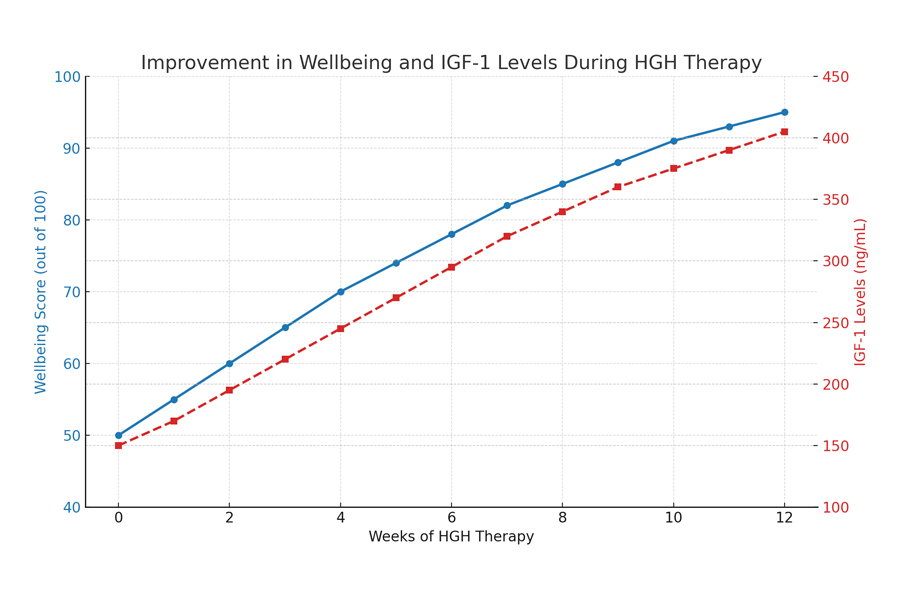
- Blood work: IGF-1 levels are checked regularly (usually at 1 month, then every 2-3 months) to ensure your dose is producing appropriate IGF-1 levels. This helps optimize your dose.
- Symptom assessment: Your doctor asks about energy, sleep, mood, body changes, sexual function, and any side effects at each visit.
- Clinical assessment: Your doctor may assess changes in appearance, strength, or other physical indicators.
- Dose adjustments: Based on blood work and how you’re feeling, your doctor may adjust your dose to optimize results while minimizing side effects.
- Regular monitoring ensures you’re getting optimal benefits from your therapy.
FAQs
How soon will I see results from HGH therapy?
Most people notice some improvements within 4-6 weeks—typically better sleep and energy first. Noticeable body composition and skin changes usually appear by 3-4 months. Full results take 6-12 months. Timeline varies based on your starting point, dose, age, lifestyle, and individual metabolism.
Do HGH results last after stopping?
HGH results are maintained only while you continue therapy. If you stop HGH injections, your growth hormone will decline again over weeks to months, and you’ll gradually lose the benefits you gained. This is why most people continue HGH therapy long-term. Some people do cycles of therapy (on for a period, then off), but continuous therapy maintains continuous benefits.
Can HGH therapy help with weight loss?
Yes. HGH improves body composition by reducing fat and building muscle. Combined with exercise and healthy nutrition, HGH therapy can lead to significant fat loss and weight loss, especially around the midsection. Some people lose weight, while others lose fat but gain muscle (weight stays the same but body composition improves). Most people see both: weight loss and body composition improvement.
Why am I not seeing HGH results?
Reasons for not seeing results include: inadequate dose (blood work can show if IGF-1 is too low), inconsistent therapy (missing doses), poor lifestyle (no exercise, poor sleep, bad nutrition), other untreated health conditions (low thyroid, vitamin deficiency), or unrealistic expectations (expecting visible results before 2-3 months). Talk to your doctor about your progress. If results are inadequate, blood work and dose adjustment may help. Sometimes other health issues need addressing first.
Medical Disclaimer: The information on this page is for educational purposes only and is not intended as medical advice, diagnosis, or treatment. Always consult a qualified healthcare provider before starting, stopping, or changing any hormone therapy or medication. Individual results vary, and treatment decisions should be made between you and your doctor based on your specific medical history and needs.
 National HRT Staff
Please note that the information provided in this article is for informational purposes only and is not intended as a substitute for professional medical advice, diagnosis, or treatment. Always seek the advice of your physician or other qualified healthcare provider with any questions you may have regarding a medical condition or treatment.